I am one day late posting my blog this week, and for good reason. I spent most of Friday, Saturday, and Sunday engaged in family activities (and traveling back home). There has been increased talk at USC about the state of graduate school life and mental health and how current students can improve their quality of life while undergoing an
incredibly stressful program of work. During my years on the Graduate Student Government, I worked for 15+ hours as Community Service Director, took three courses which was 9+ hours of in-class time plus reading and homework, worked as a Teaching and Research Assistant for faculty for 20+ hours a week, all while expecting to be doing personal projects,
attending conferences, and publishing papers. Now that classes are over, I've passed my
qualifying exam, and I am no longer a member of GSG, my time is mostly dominated by working on the dissertation. This is a no less stressful but more flexible academic assignment. I list these responsibilities not to brag about my own accomplishments. Instead, it helps me to reflect on the immense pressure I experience, when I am a graduate student who is not also supporting a family on $30,000 a year, dealing with health issues, or serving as a member of a prolific research team.
 |
| Retrieved from this site. |
No matter our responsibilities, there is a great amount of pressure of students to succeed in public and suffer in private. It is very uncommon for people to discuss their workloads and admit failure or shortcomings. Instead, they turn into perverse competitions where we compare our workloads to others (I'm guilty of participating in this). When all we are told is "publish or perish," it is difficult to not have some sadness behind congratulatory statements or to take rejections from conferences lightly. To admit failure is to lose the game of PhD life and to express that openly is frowned upon.
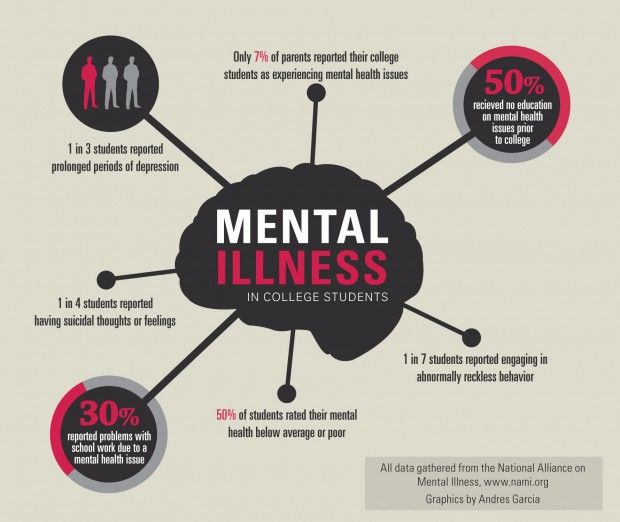
Research indicates that 60% of graduate students feel hopeless and depressed nearly all the time and 1 in 10 have contemplated suicide. But, there are few, well known resources for these feelings.
 |
| Retrieved from this site. |
I took up this blog post in response to amazing statements made by my colleagues, Ritesh Mehta and Cynthia Wang, who reflected upon their time at USC. Ritesh made a profound and poignant statement at his dissertation defense about how students should not have to suffer in silence and be afraid to reach out to one another. Although the program is 100+ students in size, it can be quite lonely work staring at a computer screen all day. Cynthia posted similar sentiments on Facebook about sharing failures and talked about being rejected from a journal. I am proud of both of their statements and wanted to make one myself: I recently was rejected from a journal. Although the comments were quite positive, there was a sinking feeling that there was something else back on my plate that was simply unbearable. There was no room to fit it back into the growing list of tasks, assignments, and responsibilities.
I don't think that any of our problems are the result of USC. I would encourage any potential graduate students to consider this amazing and supportive program. I think the problems are deeper, within the PhD experience, and the academic community at large that engages in competitive mentalities and focuses on output instead of the process. Similar to ongoing debates about the requirements placed on
medical residents, I think more conversation should begin about the mental well-being of graduate students. Reducing the stigma of sharing is something that I hope will get better as more students create a culture of support rather than judgment. This is something that will ebb and flow with time and does nothing to address institutional expectations. Indeed, when we think about the contributions that we will have as graduate students, it pales in comparison to what we will do as faculty members. Perhaps we need to treat graduate school more as training for academia than a full blown toss into the deep end of academic publishing and stress. This
article provides some other potential solutions including increased acknowledgement, specialized training, and more resources.
I took this weekend off, postponed my blog post, and had a friend cover the class that I'm teaching over the summer. I felt guilty for a while for this decision I made, but I think that more of us should be okay with taking more breaks, more mental days off, and enjoying ourselves with family and friends. The computer (and that R&R) will still be there tomorrow.


